Friesan Chicken: A Practical Review for Embroidery Projects
When I first pulled up the Friesan Chicken design on my screen, I wasn’t looking for flashiness. As a designer who spends half my life troubleshooting puckered seams and broken needles, I look for reliability. I look for designs that translate well from digital pixels to physical thread. This particular piece, categorized under Farm Animals, caught my eye not because it was overly complex, but because it promised a rustic charm that fits perfectly into the current trend of cottagecore and countryside aesthetics. But does it hold up under the needle? Let’s break down how this embroidery design performs in real-world scenarios.
First Impressions and Visual Personality
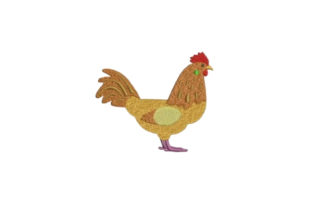
The initial layout of Friesan Chicken suggests a balanced approach to detail. It avoids the common pitfall of many farm-themed designs, which is excessive clutter. Instead, it relies on clear shapes and defined lines. For an embroidery project, this is crucial. When you are working with thread, you cannot rely on subtle gradients or photographic realism. You need strong silhouettes.
The mood here is warm and inviting. It feels like something you would see on a linen apron in a farmhouse kitchen or stitched onto a canvas tote bag at a local farmers' market. The visual personality is friendly without being childish, which broadens its appeal. It works for adult apparel just as well as it does for nursery decor. This versatility is a key selling point for any craft business owner looking to maximize the utility of a single digital embroidery file.
Real-World Application: The Tote Bag Test
To truly evaluate a design, you have to imagine it on a product. I recently considered using Friesan Chicken for a custom order of canvas tote bags for a local organic grocery co-op. The client wanted something that screamed "fresh" and "local." This chicken design fit the bill perfectly.
On a sturdy cotton canvas, the design needs to have enough substance to stand out against the textured fabric. If a design is too sparse, it gets lost in the weave. If it is too dense, it creates a stiff, cardboard-like patch that ruins the drape of the bag. Based on the preview, Friesan Chicken appears to strike a good middle ground. It likely utilizes a mix of fill stitch for the body and satin stitch for finer details like the comb or eyes. This combination ensures visibility without excessive bulk.
For an Etsy seller or small shop product, this kind of reliability is gold. You don’t want to spend hours hooping and stitching only to realize the design looks muddy from ten feet away. This design seems tailored for clarity, ensuring that your handmade product maintains a professional appearance.
Fabric Considerations and Stitching Behavior
While the design is versatile, it is not universal. Here is where practical experience matters. If you plan to use Friesan Chicken on stretchy fabrics like jersey knit for a sweatshirt embroidery project, you must be cautious. Chicken designs often have small, intricate areas. On stretchy material, these can distort if not properly stabilized.
- Stabilizer Choice: Always use a cut-away stabilizer for knits to prevent shifting during washing.
- Thread Colors: Test your thread colors against the fabric. A white chicken on a light gray heather tee might vanish. High contrast is your friend here.
- Hoop Size: Confirm the hoop size required. While it looks compact, ensure it fits within your machine’s maximum area without needing re-hooping, which can lead to alignment issues.
For structured items like caps or hats, the curved surface presents another challenge. The design should be centered carefully to avoid distortion near the seams. If the design has dense stitch areas, consider using a lighter weight thread to reduce buildup, which can cause the cap front to pucker.
Commercial Viability and Brand Consistency
For commercial embroidery projects, consistency is key. If you are building a brand around rustic, handmade goods, Friesan Chicken serves as a strong design asset. It communicates quality and attention to detail. Customers often judge the value of a personalized gift by the crispness of the embroidery. A clean, well-digitized design builds trust.
When creating printable mockups or digital product previews for your online store, this design offers excellent visual appeal. It photographs well because of its distinct outlines. Whether you are selling finished products like embroidered patches or tea towels, or offering custom apparel services, this design adds a touch of artisanal charm that buyers appreciate.
However, always check the licensing terms. Just because a design is beautiful doesn’t mean it is free for unlimited commercial use. Verify if the digital embroidery file allows for mass production or if it is limited to small batch handmade items. This due diligence protects your craft business from legal issues down the line.
Technical Notes for the Designer
Before you commit to a large run, treat every new design with skepticism. Here is my checklist for evaluating Friesan Chicken or any similar embroidery design:
- Test on Scrap Fabric: Never stitch directly on the final garment. Use a similar fabric scrap to check for tension issues.
- Inspect Small Details: Zoom in on the digitized file. Are there tiny jumps or unnecessary trims? These can cause thread breaks.
- Check Stitch Density: If the design feels heavy, adjust your stabilizer or consider resizing slightly to reduce density per square inch.
- Contrast Check: View the design in black and white. If the details disappear, the design may lack sufficient contrast for certain applications.
- Wash Test: Stitch a sample, wash it, and dry it. Does the thread shrink differently than the fabric? Does the design pucker?
These steps might seem tedious, but they save time and money in the long run. A failed batch of holiday embroidery gifts is a nightmare no small business owner wants to face.
Final Verdict
Friesan Chicken is a solid addition to any library of farm-themed embroidery designs. It balances aesthetic appeal with technical practicality. It is not just a cute image; it is a functional design element that can elevate a simple tote bag or sweatshirt into a desirable handmade product. For hobbyists, it offers a satisfying stitch-out experience. For professionals, it provides a reliable asset for client projects.
Remember, the best embroidery design is one that suits your specific machine, fabric, and customer base. Take the time to test, adjust, and refine. When done right, this chicken design can become a staple in your portfolio, bringing a bit of countryside charm to every project it touches. Whether you are decorating a pillow cover for a wedding gift or branding aprons for a boutique cafe, Friesan Chicken delivers the rustic elegance that modern makers and buyers crave.