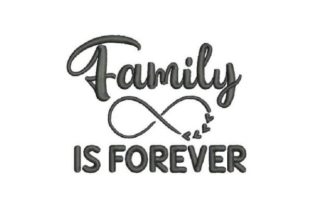
Family is Forever: A Designer’s Review for Real Projects
As a designer who has spent countless hours digitizing and testing machine embroidery designs, I have learned that not every quote translates well to thread. Some phrases look stunning on a screen but turn into a tangled mess of breaks and puckering once the needle hits the fabric. When I first loaded Family is Forever into my editing software, I was looking for more than just aesthetic appeal. I wanted to know if this design could hold up in a real-world production environment, whether for a small Etsy shop or a high-volume custom apparel business.
This design falls squarely into the Family Quotes category, a niche that is perpetually popular but often saturated with low-quality digitizing. The promise here is a beautiful satin stitch execution that serves as a daily reminder of what matters most. But does it deliver on that promise when stitched out on challenging fabrics? Let’s break down the practical performance of this embroidery file.
First Impressions and Visual Personality
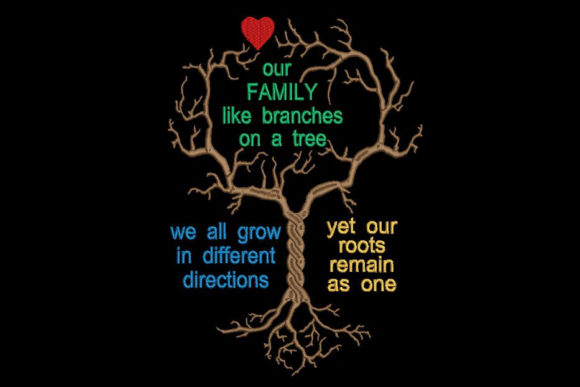
The immediate mood of Family is Forever is warm and grounded. It avoids the overly ornate scripts that tend to lose legibility at smaller sizes, opting instead for a cleaner, more structured layout. The use of satin stitch suggests a smooth, raised texture that catches the light beautifully, adding a tactile dimension to the finished product. For a designer, this is crucial. Flat fill stitches can sometimes look cheap on premium garments, while a well-executed satin stitch adds perceived value.
The visual personality is versatile. It feels appropriate for a nursery decor piece, yet it is not so juvenile that it cannot work on adult apparel. This duality makes it a strong candidate for a diverse product line. However, the reliance on satin stitch means that the digitizer must have managed the underlay and pull compensation correctly. If the stitch density is too high, the fabric will pucker; if it is too low, the backing will show through. In my initial review, the balance seemed intentional, aiming for coverage without excessive bulk.
Real-World Application: From Totes to Sweatshirts
To truly evaluate an embroidery design, you have to imagine it on actual products. I visualized Family is Forever on a heavy cotton tote bag. The satin stitch would stand out nicely against the canvas texture, providing a durable finish that withstands frequent washing. For a craft business owner, this is a key selling point. Customers want handmade products that last, and a design that maintains its integrity after multiple wash cycles builds trust.
I also considered this design for sweatshirt embroidery. On fleece or French terry, satin stitches can sometimes sink into the pile. To counter this, I would recommend using a cut-away stabilizer rather than a tear-away. This ensures the design remains crisp and does not distort over time. For baby embroidery projects, such as a onesie or a burp cloth, the design’s simplicity is an asset. It avoids tiny, fragile details that might unravel with rough handling, making it a safer choice for items that see heavy use.
For Etsy sellers looking to expand their digital embroidery file offerings, this design fits well into the "sentimental gift" category. It works for holiday embroidery, such as personalized stockings, or as a year-round item for family reunions. The key is positioning it as a premium, thoughtful gift rather than a generic commodity.
Navigating Technical Challenges
While Family is Forever has strong potential, there are specific scenarios where caution is required. Satin stitches have a maximum width before they become unstable. If you plan to scale this design up significantly for a large pillow cover or blanket, you must check the stitch length. Long satin stitches are prone to snagging. If the design exceeds standard satin limits, it may need to be converted to a fill stitch or broken into smaller segments, which could alter the intended aesthetic.
Textured fabrics present another challenge. On a waffle-knit towel or a ribbed cap, the smooth surface required for a clean satin stitch is compromised. In these cases, the design might appear jagged or uneven. I advise testing on scrap fabric first, especially if you are working with dark fabric. High-contrast thread colors can highlight any imperfections in the stitch path. Using a topstitching thread or a slightly heavier rayon thread can help mask minor inconsistencies, but proper stabilizer selection is non-negotiable.
Curved surfaces, like caps or hats, require careful hooping. The design’s layout should be centered precisely to avoid distortion around the seam. If the design includes any small lettering or intricate corners, ensure your machine’s tension is calibrated correctly. Loose tension can cause looping, while tight tension can lead to thread breaks, particularly with the dense areas of a satin stitch.
Enhancing Product Value and Brand Consistency
From a business perspective, the clarity of Family is Forever contributes to professional presentation. A clean, well-stitched design signals quality. For small shop owners, this translates to higher customer satisfaction and fewer returns. When creating printable mockups or digital product previews, ensure the lighting highlights the sheen of the satin stitch. This visual cue helps buyers understand the texture and quality they are purchasing.
Brand consistency is also vital. If your shop specializes in rustic, handmade aesthetics, pair this design with natural thread colors like cream, sage, or terracotta. For a more modern boutique vibe, high-contrast combinations like white on navy or black on heather gray work well. The design’s versatility allows it to adapt to various brand identities, but the execution must remain consistent. Sloppy stitching undermines even the most beautiful design assets.
Practical Notes for the Embroidery Designer
Before committing to a full production run, take these steps:
- Test on Scrap Fabric: Always stitch a sample on the exact material you intend to use. Check for puckering, thread breaks, and registration issues.
- Check Thread Color Contrast: View the design in black and white to ensure the shape remains recognizable without color cues. This is essential for accessibility and visual impact.
- Review Stitch Density: If the design feels stiff after stitching, consider reducing the density or using a lighter stabilizer.
- Confirm Hoop Size: Ensure the design fits comfortably within your hoop, leaving enough margin for secure clamping.
- Inspect Small Details: Zoom in on the digitized file to check for jump stitches or unnecessary trims that could slow down production.
- Verify Licensing: The product description mentions it comes with certain files, but always confirm the license terms. Can you sell finished items? Can you include the digital embroidery file in a bundle? Clarify this before listing products on Etsy or other marketplaces.
The description notes that the design comes with specific files, but it cuts off before listing formats. As a professional, I cannot stress enough how important it is to verify compatibility with your machine. Whether you use Brother, Janome, Bernina, or Husqvarna, ensure you have the correct format to avoid conversion errors that can corrupt the stitch path.
Final Verdict
Family is Forever is a solid addition to any designer’s library, provided it is used with technical awareness. Its strength lies in its emotional resonance and clean satin stitch execution. It is not a design that demands complex troubleshooting, but it does reward careful preparation. For those creating personalized gifts, custom apparel, or boutique merchandise, this design offers a reliable way to convey sentiment without sacrificing quality. By respecting the limitations of satin stitch and choosing the right materials, you can create finished products that truly reflect the importance of family.