Butterfly Applique: A Designer’s Review for Real Projects
When I first loaded the Butterfly Applique file into my digitizing software, I wasn’t looking for flashiness. I was looking for reliability. As a designer who spends half my life troubleshooting thread breaks and puckering fabric, I know that a pretty preview image means nothing if the actual stitch-out looks messy on a textured tote bag or shrinks unevenly on a baby onesie. This design, categorized under Bugs within the broader Embroidery niche, promises a delicate balance between decorative flair and structural integrity. After putting it through its paces on various fabrics and hoop configurations, here is my honest assessment of how this machine embroidery design performs in the real world.
First Impressions and Visual Personality
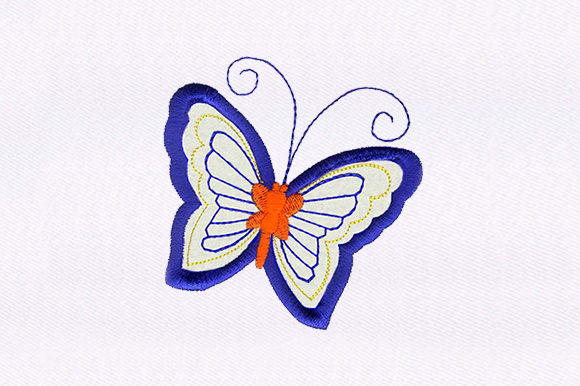
The immediate mood of the Butterfly Applique is whimsical yet refined. It avoids the cartoonish exaggeration often found in lower-quality digital embroidery files, opting instead for a silhouette that feels organic. The layout is compact, fitting comfortably within a 4×4 hoop size, with dimensions of 3.66 inches wide by 3.76 inches high. For context, this is nearly square, which makes placement versatile. It doesn’t demand a long, narrow space like a monogram might, nor does it require a massive field of fabric.
What stands out is the detail level. With 5480 stitches, the density is moderate. It is not so sparse that the backing shows through on dark fabrics, but it is not so dense that it turns a soft cotton t-shirt into a stiff cardboard patch. The visual personality suggests movement, making it an ideal candidate for items where a touch of nature-inspired charm is needed without overwhelming the base material.
Real-World Application: The Tote Bag Test
To truly evaluate a design, you have to imagine it on a product. I recently prepared a custom embroidered tote bag for a local boutique client who wanted a spring-themed collection. The Butterfly Applique was my top contender. Why? Because applique designs generally handle fabric texture better than full-fill designs. By using a piece of contrasting fabric for the butterfly wings, you reduce the stitch count on the garment itself, which minimizes pull and distortion.
On a canvas tote, the design held its shape beautifully. The satin stitch borders defined the edges sharply against the coarse weave of the bag. Customers reacting to the finished product noted the "clean" look. There was no thread nesting or loose tails, which builds immediate trust in the quality of a handmade product. For Etsy sellers and small shop owners, this level of finish is crucial. It elevates a simple bag from a craft fair item to a boutique-worthy accessory.
Versatility Across Product Lines
Beyond totes, this embroidery file shines in several other categories. For custom apparel, such as sweatshirt embroidery, the design works well on the chest or sleeve. The 4×4 hoop compatibility means it fits easily on most home machines without requiring expensive multi-needle industrial setups. However, when moving to stretchy fabrics like jersey knits for t-shirts, caution is advised. While the applique technique helps, the underlying running stitch and tack-down stitches must be secured with proper stabilizer to prevent shifting during washing.
For baby embroidery, the softness of the design is a major asset. Parents are often wary of scratchy, dense stitching on sensitive skin. Since this design relies on fabric layers for the main body of the butterfly, the tactile experience is much softer. It makes for an excellent personalized gift for newborns, provided you use a tear-away or cut-away stabilizer appropriate for the garment weight.
Holiday embroidery and seasonal gifts also benefit from this motif. Whether it’s a pastel butterfly for Easter or a monarch for autumn decor, the shape is recognizable and timeless. It translates well to pillow covers and kitchen towels, adding a subtle decorative accent that doesn’t interfere with the item’s function.
Technical Considerations and Fabric Choices
While the Butterfly Applique is robust, it is not invincible. Here are specific scenarios where you need to exercise design judgment:
- Dark Fabrics: If you are stitching on black or navy, ensure your applique fabric contrasts sharply. A dark butterfly on a dark shirt will vanish. Use light-colored fabrics for the applique pieces to make the satin stitch border pop.
- Curved Surfaces: Placing this on a cap requires careful hooping. The 3.66-inch width is manageable, but the curve of a baseball cap can distort the symmetry. Always test on a scrap piece of similar curved fabric first.
- Thin Fabrics: On silk or lightweight rayon, the 5480 stitches might cause slight puckering if the stabilizer isn’t heavy enough. Use a high-quality cut-away stabilizer to support the structure.
- Washability: For items that need frequent washing, like aprons or tea towels, secure the applique edges well. Check the stitch density to ensure the satin columns are tight enough to withstand agitation without fraying.
Commercial Value and Brand Consistency
For commercial embroidery projects, consistency is key. When you sell a digital embroidery file or a finished product, buyers expect repeatability. This design delivers that. The file formats provided—ranging from DST and PES to JEF and EXP—ensure compatibility with almost every major machine brand. This broad support is essential for craft businesses that may upgrade machines or work with different clients.
Using Butterfly Applique in your printable mockups or digital product previews can significantly boost buyer engagement. The clean lines photograph well, and the natural theme appeals to a wide demographic. It enhances brand consistency if your shop focuses on nature, whimsy, or handmade aesthetics. It signals professionalism because the design doesn’t look like a generic clipart conversion; it looks like it was digitized with an understanding of how thread behaves.
Practical Designer Notes
Before you commit to a large production run or list this as a premium item in your store, follow these steps:
- Test on Scrap Fabric: Never skip this. Stitch the design on the exact fabric type you plan to use for the final product. Check for registration issues where the satin stitch meets the applique fabric.
- Check Thread Color Contrast: The beauty of an applique design lies in the contrast between the fabric patch and the border stitch. Experiment with metallic or variegated threads for the satin stitch to add depth.
- Review Stabilizer Choice: Match the stabilizer to the fabric weight. A lightweight poly-mesh might suffice for stable cottons, but knitwear needs more support.
- Confirm Licensing: If you are selling finished items, ensure you understand the license terms associated with the digital embroidery file. Most designers allow commercial use of finished physical goods, but always verify before listing on Etsy or at craft fairs.
- Mockup Testing: Create black and white mockups to see how the design reads without color. If the shape loses definition in grayscale, you may need to adjust your fabric choices for high-contrast projects.
In conclusion, the Butterfly Applique is a solid addition to any designer’s library. It balances aesthetic appeal with technical practicality, making it suitable for everything from baby gifts to boutique apparel. By respecting the limitations of hoop size and fabric texture, you can leverage this design to create high-value, professional-looking products that customers love.