Ornament: A Designer’s Review for Craft Fair Success
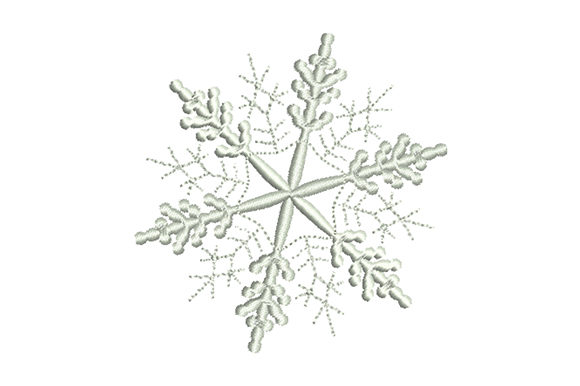
As an embroidery designer who has spent countless weekends behind a booth table, I know that not every design translates well from the screen to the sales floor. When I first loaded Ornament into my software, my immediate goal was to determine if it had the visual punch required for a busy winter market. The product description highlights it as a playful embroidered snowflake ornament, a cute machine embroidery design that promises to look adorable on various fabrics. But "cute" is subjective, and "playful" needs to be backed by technical reliability. Here is my honest assessment of how this design performs in the real world of handmade business.
First Impressions and Visual Appeal
The first thing you notice about Ornament is its approachable charm. It does not try to be overly complex or hyper-realistic. Instead, it leans into a stylized, festive aesthetic that feels both modern and timeless. For a craft fair seller, this is crucial. Customers walking past your booth have only seconds to decide if they want to stop. A design that is too dense or intricate can look muddy from a distance, while something too minimal might get lost. This design strikes a balance. It reads clearly as a snowflake, evoking the Winter season without relying on cliché holiday text.
The playful nature of the stitch pattern suggests a lightness that works well for giftable handmade items. It feels decorative yet soft, avoiding the stiff look that sometimes plagues heavy embroidery. For boutique makers, this means the design can elevate a simple item into a premium product without overwhelming the base material.
Strategic Product Placement
Where does Ornament shine? I tested this concept across several common small shop products. Here is where I believe it adds the most value:
- Tote Bag Design: Placed centrally on a canvas tote, the snowflake becomes a focal point. It transforms a generic bag into a seasonal essential. The open spaces in the design allow the fabric texture to show through, keeping the look breathable and stylish.
- Tea Towel Embroidery: This is perhaps the strongest application. Kitchen textiles sell incredibly well at fairs. The design’s scale fits perfectly on a standard flour sack towel, offering a quick stitch time and high perceived value.
- Apron Embroidery: A single snowflake on the bib of a linen apron creates a subtle, elegant accent. It appeals to customers looking for home goods that feel personal and crafted.
- Embroidered Patch: If you offer patches, this design is ideal. Its self-contained shape makes it easy to cut and finish. It works well on denim jackets or beanies, expanding your target audience beyond home decor shoppers.
While it could work on caps, be cautious. Curved surfaces can distort designs. If you choose to embroider on hats, ensure you are using the correct hoop size and stabilizer to prevent puckering. For pillow covers, consider placing it off-center for a more contemporary look.
Production Practicality for Etsy Sellers
For the digital embroidery file user or the Etsy seller producing finished goods, efficiency is key. The description notes that resizing or editing of the design is not recommended. This is a critical constraint to respect. Machine embroidery designs are engineered with specific stitch densities and underlay structures. Scaling them up or down can lead to gaps in coverage or thread breaks. Therefore, plan your product line around the native size of the file.
This limitation actually helps with batch production. Knowing the exact dimensions allows you to create templates for cutting fabric or positioning hoops quickly. Consistency is vital for brand consistency. When a customer buys two items, they should look identical in quality and placement. Ornament supports this repeatability.
Photography is another major factor. This design photographs beautifully because of its clear lines. Whether you are creating a printable mockup for your online store or taking photos for social media, the contrast between the thread colors and the fabric will pop. Use high-contrast thread choices for your main listings to grab attention, then offer softer palettes for actual production.
Technical Considerations and Careful Use
Before you commit to a large run of commercial embroidery products, there are technical details to address. Since the design is described as cute and playful, it likely relies on satin stitches or fill patterns that require smooth fabric. Avoid highly textured towels or thick, nubby fabrics that might obscure the finer details of the snowflake.
Pay close attention to stitch density. If the design has dense areas, ensure you are using the right stabilizer. A cut-away stabilizer is often safer for stretchy fabrics like tote bags, while tear-away might suffice for stable cotton tea towels. Always test the design on scrap fabric first. Check for thread tension issues and ensure that the thread colors you choose provide enough contrast against the fabric background. Dark fabric can hide dark thread, so opt for metallics, whites, or bright pastels if stitching on navy or black.
Also, verify the hoop size required. If the design is large, you may need a 5x7 or larger hoop. Confirm this before purchasing the digital embroidery file if it is not explicitly stated. Running out of hoop space mid-stitch is a disaster you want to avoid during a busy production week.
Maximizing Sales and Buyer Engagement
Ultimately, Ornament is a tool for engagement. It invites customers to touch the product. The texture of embroidery adds a tactile dimension that prints cannot match. In a booth display, use this to your advantage. Hang embroidered towels at eye level. Drape tote bags so the design is visible. The handmade quality of the stitch work signals care and effort, justifying a higher price point than mass-produced alternatives.
For creative entrepreneurs, this design assets package offers versatility. You can mix and match thread colors to create collections—cool blues for a frosty look, reds and greens for traditional holiday vibes, or silvers and whites for a modern minimalist aesthetic. This flexibility allows you to cater to different buyer preferences without changing the core product.
Remember to check the commercial licensing terms included with your purchase. Most designers allow you to sell finished physical products, but restrictions may apply to selling the digital file itself. Clarify this to protect your business.
Final Verdict
Ornament is a solid addition to any winter-themed collection. It is not just a pretty picture; it is a practical, sellable asset for the serious maker. It balances aesthetic appeal with production feasibility. By respecting the no-resize rule, choosing the right fabrics, and presenting it strategically, you can turn this simple snowflake into a bestseller. Whether you are an experienced embroidery business owner or just starting your small shop product line, this design offers the reliability and charm needed to succeed in the competitive handmade market.