Easter Basket: A Designer’s Review for Boutique Sweatshirts
As an embroidery designer who has spent countless hours tweaking digitizing settings and testing thread tensions, I approach every new machine embroidery design with a critical eye. It is not just about whether the image looks cute on a screen; it is about how that design translates to fabric, how it withstands wear, and ultimately, how it elevates a brand. Recently, I had the opportunity to review Easter Basket, a festive design intended for seasonal apparel. My goal was to determine if this asset could carry the weight of a premium sweatshirt collection for a small boutique brand. Here is my professional breakdown of how this design performs in a real-world production scenario.
First Impressions and Design Personality
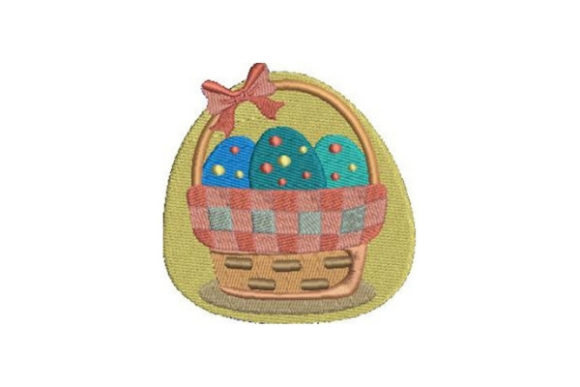
The moment I loaded the digital embroidery file into my editing software, the charm of Easter Basket was evident. The description promises a "lovely cute" vibe, and the visual layout delivers exactly that. However, for a professional application, we need to look deeper than cuteness. The design leans heavily into a playful, decorative aesthetic that feels inherently feminine and rustic. It avoids being overly bold or aggressive, which makes it perfect for the cozy, inviting atmosphere of spring collections.
What stands out immediately is the balance between detail and readability. In embroidery, too much density can cause puckering, while too little can look cheap. This design appears to strike a middle ground, offering enough texture to feel substantial without overwhelming the garment. The mood is undeniably festive, capturing the essence of Easter without relying on clichéd, mass-produced graphics. For a boutique owner, this distinction is crucial. You are not just selling a shirt; you are selling a feeling of handmade quality and thoughtful curation.
Application on Premium Sweatshirts and Hoodies
My primary test case for Easter Basket was a limited drop of heavyweight, neutral-toned sweatshirts. This is where the design truly shines. On oatmeal, sage green, or soft blush fabrics, the embroidery pops with a sophisticated contrast. The thread colors suggested by the design palette complement these earthy tones beautifully, creating a look that is both modern and timeless.
I also experimented with darker fabrics, such as charcoal and navy. Here, the design requires careful consideration of thread choice. To maintain visibility, I opted for brighter pastels and metallic accents, which transformed the piece from subtle to statement-making. For oversized hoodies, I placed the design on the left chest. This classic placement keeps the look clean and allows the hoodie design to serve as a subtle brand identifier rather than a loud graphic. Alternatively, placing a scaled-down version on the sleeve cuff adds a delightful surprise element, encouraging customers to inspect the garment closely, which increases perceived value.
Fabric Texture and Stitch Density Considerations
One of the most critical aspects of reviewing any embroidery file is understanding how it interacts with fabric texture. Sweatshirts and hoodies are typically made from fleece or French terry, which have a nap and significant thickness. Easter Basket seems to have a moderate stitch density, which is ideal for these materials. If the density were too high, the fabric would pucker around the stitches; if too low, the backing might show through.
For this project, I used a medium-weight cut-away stabilizer. This is non-negotiable for commercial apparel. Wash-and-wear durability is a key selling point for any handmade product, and proper stabilization ensures that the design remains crisp after multiple laundry cycles. I also paid close attention to the hoop placement. Ensuring the design was centered and taut within the hoop size prevented any distortion, particularly in the curved areas of the basket handle.
Commercial Viability for Small Shops
For Etsy sellers and owners of small online shops, the versatility of a design is paramount. Easter Basket is not limited to sweatshirts. Its scalable nature means it can be adapted for tote bags, baby onesies, or even home decor items like throw pillows. This flexibility allows creative entrepreneurs to maximize their return on investment by creating a cohesive collection across multiple product categories.
From a branding perspective, using a unique design like this helps build visual recognition. When customers see that specific stitch pattern and color combination, they begin to associate it with your boutique brand. It moves your offerings away from generic print-on-demand items and into the realm of custom apparel that feels personal and exclusive. This emotional connection drives customer engagement and fosters loyalty, which is the lifeblood of any small business.
Marketing and Visual Presentation
How you present Easter Basket is just as important as how you stitch it. For your online listings, invest time in creating high-quality printable mockup images or, better yet, photograph the actual finished product. Lifestyle photography that shows the sweatshirt being worn in a cozy, spring-like setting can significantly boost conversion rates. Highlight the texture of the stitches in close-up shots. Buyers want to see the quality of the Embroidery; they want to know it feels premium to the touch.
Include details about the care instructions in your product description. Educating your customer on how to care for their embroidered item builds trust and reduces returns. Mentioning that the design was created with durable threads and proper stabilizers reassures buyers that they are purchasing a long-lasting item, not a disposable trend.
Technical Checks Before Production
While Easter Basket performed well in my tests, every designer must conduct their own due diligence before full-scale production. The provided description notes that it can be stitched on "everything you can think of," but as professionals, we know that technique varies by material. Always check the specific technical details of the file before purchasing or downloading. Verify the available hoop size options to ensure they fit your machine’s capabilities. Confirm the file formats included to guarantee compatibility with your embroidery software.
Additionally, review the license terms. If you are planning to use this for commercial embroidery sales, ensure the license permits unlimited physical productions. Some digital sellers restrict the number of items you can sell, so clarity here is essential to avoid legal issues down the line. Test stitch the design on a scrap piece of your actual production fabric first. This simple step can save you from ruining expensive garments and helps you fine-tune tension and thread choices.
Final Verdict
Easter Basket is a strong contender for any spring-themed collection. It balances cuteness with craftsmanship, offering a design that feels both playful and premium. For small clothing brands and handmade business owners, it provides a versatile asset that can enhance brand identity and drive sales. By paying attention to fabric choice, stabilization, and presentation, you can transform this digital file into a tangible product that customers will love and cherish. It is a reminder that in the world of design assets, the right choice can elevate your entire brand narrative.